Posts

"Maximizing Urban Spaces: The Role of Vertical Farms in Cities"

Image
Urban spaces are limited, and conventional agriculture struggles to meet the demand for fresh and locally sourced produce. However, a sustainable and innovative solution is emerging to tackle this dilemma: vertical farming.  Vertical farms are revolutionizing the way we produce food, offering an efficient and environmentally friendly approach to urban agriculture.  In this blog, we will explore the concept of vertical farming and its role in maximizing urban spaces to meet the nutritional needs of modern cities. what is vertical farming? Vertical farming is a state-of-the-art agricultural technique that involves cultivating crops in vertically stacked layers or structures, usually within urban environments. These farms utilize advanced technologies such as hydroponics, aeroponics, and controlled environment agriculture to create optimal growing conditions, enabling year-round production of fresh fruits, vegetables, and herbs. 1. Addressing Urban Food Security: 2. Uti...
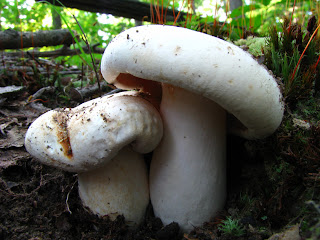
"Milky Mushroom: A Nutritional Powerhouse Worth Exploring"

Image
  Milky mushroom, Scientifically called as Calocybe indica, milky mushroom is an intriguing type of edible mushroom that has become well-known for its exceptional nutritional profile. Investigating the advantages of milky mushrooms becomes more crucial as more individuals become aware of their nutritional choices. We will examine the nutritional powerhouse that milky mushrooms are in this blog post and learn why they should be included in our diets. Milky mushrooms are a fantastic plant-based source of protein and are a rich source of protein. They significantly increase your daily protein intake because they have about 3.7 grams of protein per 100 grams. Because of this, milky mushrooms are a desirable alternative for vegetarians, vegans, and people trying to cut back on their meat consumption without sacrificing key nutrients. Vitamins and minerals in abundance : Milky mushrooms are a rich source of several vitamins and minerals that support general health and wellbeing. The v...

Watermelon's Amazing Health Benefits

Image
<script async src="https://pagead2.googlesyndication.com/pagead/js/adsbygoogle.js?client=ca-pub-9795584126473774"      crossorigin="anonymous"></script> We'll look at some of the amazing ways watermelon can improve your health overall in this blog. A tasty and cooling fruit popular during the summer, watermelon provides more than just hydration and sweet enjoyment. In addition to having a high water content, watermelon is loaded with advantages for your health. 1. Hydration and nutrient content: Watermelon is a great food to eat to stay hydrated because it is about 92% water. It also has a lot of nutrients. In addition to quenching your thirst, watermelon replenishes your body's supply of vital electrolytes like potassium and magnesium. It also has considerable amounts of vitamins A and C, which help to maintain healthy skin and the immune system. 2. Antioxidant powerhouse: Antioxidants found in watermelon include lycopene and vitamin C. Lycopene...

Parthenium Weed and Human Health.

Image
         The invasive plant species known as parthenium weed, or Parthenium hysterophorus , originates        originally from the Americas but has now spread to Asia, Africa, and Australia. It goes by a number of    other names, including "Famine Weed," "Congress Grass," and "White Top." An annual herb with a     two-    meter maximum height, parthenium weed grows quickly. The invasion of Parthenium weed greatly affects human health.  The following issues should be taken into account when talking about how parthenium weed affects human health: 1. )Dermatitis and allergies : Parthenium weed is a strong allergen that can cause allergic reactions in those who come into touch with it. Parthenium dermatitis, marked by skin redness, itching, and rashes, is the most typical allergic reaction. From little discomfort to severe inflammation, blisters and leaking sores are possible symptoms. 2.)Respiratory Proble...

"From the aquarium to the nightmare''

Image
                      The risks of introducing water lettuce into naturally occurring streams. The South American native aquatic plant known as water lettuce has spread around the world as an invasive species. Because of its swift spread and rapid growth, it poses a serious threat to many types of natural waterways, including lakes, ponds, and rivers. Although water lettuce may appear stunning in a home aquarium, its release into the wild can have catastrophic effects on the ecosystem. The risks of introducing water lettuce into naturally occurring streams will be discussed in this blog , including: 1.)Water lettuce can grow in dense mats on the water's surface, obstructing sunlight and lowering oxygen levels while choking streams. This may even cause fish kills and harm native flora and fish. 2.)Water lettuce's decomposition releases nutrients that can lead to algal blooms, which can damage aquatic life and reduce oxygen levels in...

Organic farming

Image
  Organic farming is a method of agriculture that emphasizes the use of natural processes and techniques to produce food and other crops, rather than relying on synthetic chemicals and genetically modified organisms (GMOs). Organic farmers use techniques such as crop rotation, cover crops, and natural pest control methods to maintain soil health and fertility, and to control pests and diseases. Organic livestock production also follows specific guidelines and standards, such as providing animals with access to the outdoors, and not using antibiotics or growth hormones. Organic farming has several benefits, including: 1.)It can improve soil health and fertility, leading to better crop yields and resilience to climate change. 2).It can promote biodiversity, by encouraging the presence of beneficial insects and other organisms in the ecosystem. 3.)It can reduce the risk of chemical exposure for farmers and consumers. 4.)It can contribute to the economic development of small and local ...

Climate-smart agriculture (CSA)

Image
Climate-smart agriculture (CSA) is an approach to agriculture that seeks to sustainably increase food production while also addressing the challenges of climate change. CSA involves a combination of practices and technologies that help farmers adapt to changing weather patterns, reduce greenhouse gas emissions, and increase the resilience of their crops and livestock. Some of the key components of CSA include: Improved crop and livestock management: This includes practices such as crop rotation, agroforestry, and the use of drought-resistant crop varieties. Water management: This includes practices such as rainwater harvesting, irrigation efficiency, and the use of drought-tolerant crops. Soil management: This includes practices such as conservation tillage, integrated soil fertility management, and the use of organic matter to improve soil health. Climate information and early warning systems: This includes the use of weather forecasts, remote sensing, and other technologies to h...